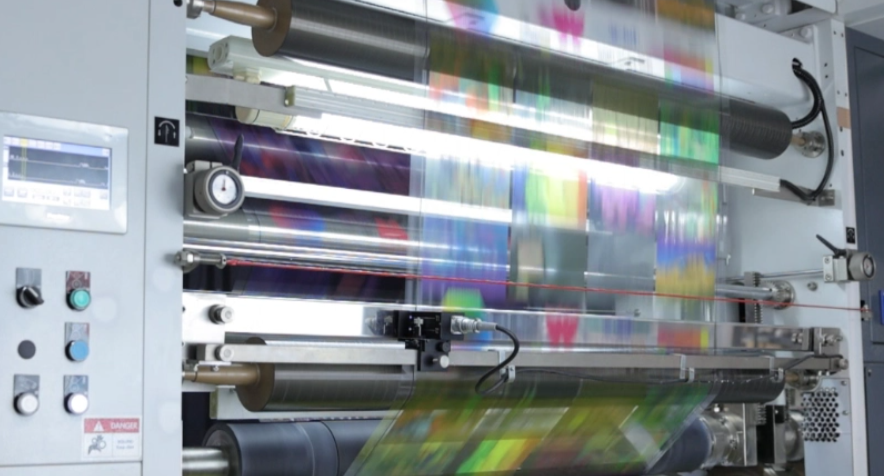
Gravure printing is widely used for applications where detailed graphics, strong visual consistency, and high-volume production are important. From packaging and labels to flexible materials, the process can deliver excellent results when production conditions remain stable.
However, maintaining consistent quality during continuous, high-speed production can be challenging. Small changes in ink application, registration, material movement, or other production conditions can create visible defects. If these issues are not identified quickly, a significant quantity of material may be affected.
Automated inspection provides a way to monitor production continuously. By combining industrial cameras, controlled lighting, image processing, and software-based analysis, manufacturers can improve their ability to identify potential problems while the printing process is still underway.
Understanding Gravure Production Challenges
Gravure printing involves several components working together to create the finished image. The printing cylinders, inks, substrate, drying conditions, and web-handling system all contribute to the final result.
Because these elements interact continuously, changes in one part of the process can influence print quality elsewhere.
Common quality concerns may include:
- Registration variation
- Missing or incomplete print
- Spots and unwanted marks
- Streaks and smudges
- Ink-related inconsistencies
- Surface imperfections
- Graphic differences
The specific defects that matter most depend on the product and customer requirements.
Why Continuous Monitoring Is Valuable
High-speed production makes manual inspection more difficult.
An operator can inspect samples at selected points, but production may continue for a considerable distance between those checks. If a problem develops immediately after a sample is approved, the defect may remain unnoticed until another inspection takes place.
Continuous automated monitoring provides a different approach.
Cameras can observe the moving web throughout production, while software analyzes the captured images and identifies potential deviations from an accepted reference or predefined inspection criteria.
The Inspection Process
A typical automated inspection process involves several stages.
First, cameras capture images of the printed web as it moves through the production line. Controlled lighting helps provide consistent imaging conditions.
The captured information is then processed by inspection software. The software evaluates the images and searches for differences that meet the configured detection criteria.
When a potential problem is identified, the system can alert the operator.
This creates a continuous process of observation, detection, review, and corrective action.
Monitoring Registration
Registration is particularly important in multicolor printing.
Different colors and graphic elements need to align correctly to create the intended image. Even relatively small variations can become noticeable, especially on detailed packaging designs.
Automated visual monitoring can help identify registration changes while production is taking place.
When an issue is detected, operators can investigate the relevant printing conditions and determine whether adjustments are required.
Identifying Ink-Related Problems
Ink application can influence both the appearance and consistency of printed material.
Changes in printing conditions may result in unwanted differences, including uneven appearance, missing areas, streaks, or other visual variations.
Automated inspection can provide an additional layer of monitoring by continuously observing the printed result.
This does not replace process control, but it can help make visual problems easier to identify.
Detecting Spots and Streaks
Unwanted spots and streaks can affect the appearance of packaging and other printed products.
These defects may arise from various sources, including contamination, equipment conditions, ink-related issues, or material handling.
A continuous inspection process can help identify recurring marks and provide operators with information that can support further investigation.
Early awareness is particularly useful when a defect begins appearing repeatedly.
The Role of Industrial Cameras
Cameras are central to an automated visual inspection setup.
The appropriate camera configuration depends on factors such as production speed, web width, required inspection detail, and the characteristics of the printed material.
Camera positioning is also important. The imaging system needs to provide a stable and clear view of the material while it moves through the inspection area.
A complete inspection design should therefore consider cameras together with lighting, software, and the physical production environment.
Importance of Controlled Lighting
Lighting has a direct influence on image quality.
Glossy films and other reflective substrates can create glare, while uneven illumination can produce differences between sections of an image.
These variations may make automated analysis more difficult.
A controlled lighting setup helps create consistent imaging conditions and allows the inspection software to focus more effectively on genuine changes in the printed material.
Using Reference Images
Many automated inspection applications use an approved reference to establish expected quality.
The system compares production images against this reference and identifies relevant differences.
For gravure printing, the reference should represent the intended appearance of the final product. Inspection settings can then be configured according to acceptable tolerances.
Correct configuration is important. If the system is too sensitive, it may produce excessive alerts. If the settings are too relaxed, important defects may not be identified.
Supporting Operators With Real-Time Alerts
Inspection technology becomes more useful when its results can be understood quickly.
When the system identifies a potential problem, the operator should be able to review the alert and investigate the affected production area.
This allows the inspection process to become part of normal production management.
Instead of waiting for a final quality review, production teams can respond to potential issues while the machine is still operating.
Reducing the Impact of Production Problems
Early detection can help reduce the amount of material affected by a recurring problem.
For example, if a defect begins appearing at a particular point in the process, immediate awareness gives the production team an opportunity to investigate the cause.
The faster the problem is understood and corrected, the less opportunity there is for the defect to continue unnoticed.
This can contribute to lower waste and more stable production.
Improving Production Efficiency
Quality control and efficiency do not need to work against each other.
When inspection is automated, operators do not need to rely exclusively on constant visual observation of rapidly moving material.
The system can perform repetitive monitoring, while operators focus on responding to relevant alerts and managing production conditions.
This can make human attention more targeted and productive.
Using Inspection Information for Continuous Improvement
Inspection data can also provide useful information over time.
If certain defects appear repeatedly, manufacturers can review the collected information and investigate possible causes.
Recurring problems may lead production teams to examine:
- Machine maintenance
- Ink conditions
- Material handling
- Printing settings
- Cylinder-related conditions
- Web movement
- Production procedures
This can help shift quality management from reactive defect identification toward continuous process improvement.
Integrating Inspection With Existing Equipment
Adding inspection technology to a gravure production line requires careful planning.
Manufacturers should consider available installation space, web movement, operator access, lighting requirements, and maintenance needs.
The software should also fit naturally into the existing production workflow.
A well-integrated solution should provide useful information without creating unnecessary operational complexity.
Manufacturers researching automated solutions can explore printing inspection systems as part of their approach to monitoring gravure production quality.
Selecting an Appropriate Inspection Strategy
Different products have different quality requirements.
Before implementing an inspection solution, manufacturers should identify the defects that matter most and determine the level of monitoring required.
Important factors may include:
- Production speed
- Substrate characteristics
- Web width
- Print complexity
- Defect size
- Inspection resolution
- Lighting conditions
- Data requirements
- Operator workflow
- Production-line integration
A solution should be configured around actual production needs rather than general assumptions.
Training and Maintenance
Even automated systems require appropriate human management.
Operators should understand how to interpret inspection alerts and what steps to take when a potential defect appears.
Regular maintenance is also important. Cameras should remain correctly positioned, lighting should be stable, and inspection settings should be reviewed when production conditions change.
If new designs or materials are introduced, the inspection configuration may need to be updated.
Frequently Asked Questions
1. Why is automated inspection useful in gravure printing?
Automated inspection provides continuous monitoring of the printed web. It can help identify potential problems such as registration differences, missing print, spots, streaks, and other visual inconsistencies while production is underway.
2. Can automated inspection reduce material waste?
Early defect detection can help reduce the amount of material affected by an ongoing problem. When operators receive timely information, they have a better opportunity to investigate and correct production conditions.
3. Does automated inspection replace quality-control operators?
No. Automated systems can handle continuous visual monitoring, but skilled operators remain important for interpreting alerts, investigating causes, and making production decisions.
See also: Manicure Table Size: Selecting Appropriate Dimensions for Comfortable Professional Service
Conclusion
Maintaining consistent quality in high-speed gravure production requires reliable monitoring and effective process control. Because production can move quickly, manual inspection alone may not provide continuous visibility into every section of the printed web.
Automated inspection can strengthen the process by combining cameras, controlled lighting, image analysis, and real-time alerts. It can help manufacturers identify potential registration issues, printing defects, spots, streaks, and other visual inconsistencies earlier.
The greatest value comes when inspection technology is integrated with experienced operators and a well-organized production workflow. With appropriate configuration, maintenance, and continuous improvement, automated monitoring can support more consistent gravure production while helping manufacturers reduce waste and respond to quality problems more efficiently.