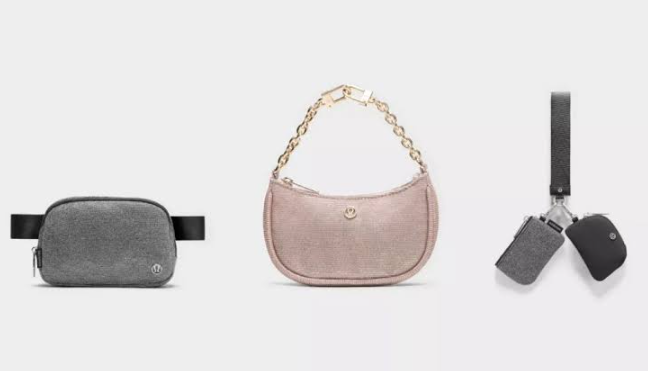
A handbag strap can influence both the appearance and practicality of a bag. While many handbags come with a dedicated strap, replacement and interchangeable options allow users to adapt the same bag to different situations.
The right strap can improve comfort, change how the bag sits against the body, and create a different overall style. However, not every strap is suitable for every handbag. Factors such as width, length, material, hardware, and weight should all be considered.
Start With the Bag
Before choosing a bag strap look closely at the handbag itself.
A small structured bag may need a delicate strap, while a larger everyday handbag may benefit from something wider and more supportive. The attachment points should also be examined carefully.
If the handbag has fixed loops or rings, measure them before purchasing a replacement.
Consider How the Bag Is Used
The intended use should influence the strap choice.
A bag carried mainly for short occasions may prioritize style, while an everyday commuter bag may require greater comfort and durability.
Travel bags can benefit from secure attachments, while a casual weekend bag might work well with a longer adjustable strap.
Matching the strap to the actual lifestyle makes the accessory more useful.
Choosing the Correct Length
Length determines where the bag sits.
A shorter strap may create a shoulder-carry style, while a longer option can allow crossbody wear. Adjustable straps provide more flexibility because users can change the length according to their clothing or preferred position.
When selecting a fixed-length strap, consider where the bag should rest and whether it will be used with different outfits.
Strap Width and Comfort
Width can affect comfort significantly.
A narrow strap may look elegant but can place more pressure on a smaller area of the shoulder. A wider strap distributes weight more broadly and may feel more comfortable when carrying heavier items.
For everyday use, comfort should be considered alongside appearance.
Material Choices
Leather is often selected for its classic appearance and durability. It can also complement leather handbags naturally.
Other materials can provide different visual or functional characteristics. The key is to choose a material that matches the bag and the intended environment.
For example, a refined handbag may benefit from a clean leather strap, while a casual bag may suit a different texture.
Hardware Compatibility
A strap may look suitable but still be incompatible with a particular handbag.
Check the clips, rings, hooks, and attachment points before making a purchase. Hardware should be strong enough for the weight of the bag.
Color can also matter. Matching metallic finishes can create a coordinated appearance, while contrasting hardware can provide a deliberate design element.
Matching the Color
A neutral strap can work with several handbags and is therefore a practical choice for people who frequently change accessories.
Black, brown, beige, and other understated colors can complement a wide range of designs.
However, a contrasting color can also transform the appearance of a simple handbag. The choice ultimately depends on whether the goal is coordination or visual contrast.
Adjustable Versus Fixed Straps
Adjustable straps offer versatility. A single strap can often be worn at different lengths depending on the situation.
Fixed straps may provide a cleaner appearance and fewer moving components.
Neither option is automatically better. The decision should depend on how frequently the user changes carrying positions.
Replacing a Worn Strap
Sometimes the handbag itself remains in excellent condition while its strap becomes worn.
Replacing only the strap can extend the practical life of the bag. Before doing so, inspect the attachment points and the condition of the bag itself.
If the hardware is damaged, replacing the strap alone may not resolve the problem.
Styling Possibilities
Changing a strap can also change the character of a handbag.
A shorter strap may create a polished appearance suitable for professional settings. A longer strap can make the same bag more relaxed and suitable for everyday activities.
This flexibility allows owners to experiment with their existing wardrobe without purchasing an entirely new bag.
Care and Storage
Straps should be stored carefully when not in use. Avoid folding leather sharply or placing heavy objects on top of it.
If the strap becomes dirty, follow care recommendations appropriate for its material. Excessive moisture and unsuitable cleaning products can damage leather and other finishes.
Good maintenance can help preserve both appearance and functionality.
Three Common Questions
1. How do I know what length I need?
Consider whether you want shoulder or crossbody wear and where you want the bag to sit. Adjustable straps provide more flexibility.
2. Should the strap match the bag exactly?
Not necessarily. Matching creates a coordinated appearance, while contrasting colors can create a more distinctive style.
3. Is a wider strap more comfortable?
It can be, particularly when carrying a heavier bag, because the weight may be distributed over a larger area.
Conclusion
Choosing a strap involves more than matching a color. Length, width, material, hardware, compatibility, and comfort all contribute to the final result.
By considering how a bag is used and how it should sit on the body, shoppers can select a strap that improves both function and appearance. A well-chosen accessory can also give an existing handbag a fresh and more versatile look.