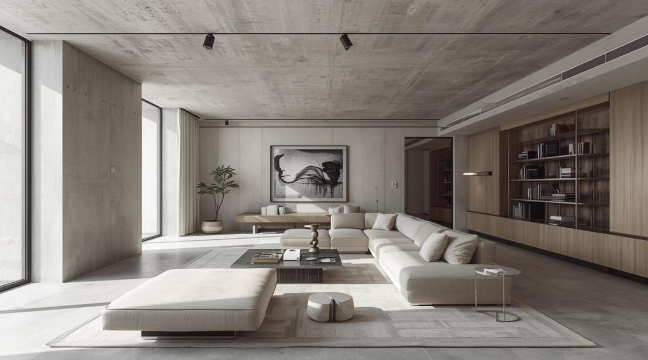
Interior surfaces must balance appearance, durability, maintenance requirements, and cost. In commercial buildings, offices, healthcare facilities, educational environments, hospitality spaces, and retail locations, surfaces are exposed to daily use and therefore need materials capable of maintaining their appearance over time.
High-pressure decorative materials are commonly considered for applications where durability and visual appeal are both important.
Understanding Laminated Surface Materials
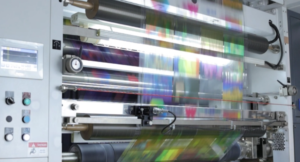
High-pressure laminate is a composite material produced by combining decorative papers and supporting layers under heat and pressure.
The manufacturing process creates a dense high pressure laminate surface that can offer useful resistance to everyday wear.
Depending on the product, laminates may be available in many colors, patterns, textures, and finishes.
See also: Life Insurance Basics for Young Professionals in Indonesia
Where These Materials Are Used
Laminated surfaces can be found in many interior applications, including:
- Countertops
- Furniture
- Cabinets
- Wall panels
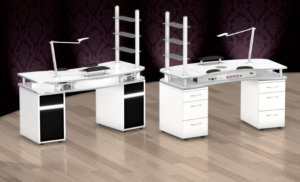
- Work surfaces
- Commercial fixtures
- Retail displays
Their versatility makes them useful across residential and commercial environments.
Durability and Daily Use
One of the main reasons designers choose laminated surfaces is their ability to withstand everyday handling.
Commercial furniture may be touched, cleaned, moved, and exposed to repeated use throughout the day. A durable surface can help maintain appearance under these conditions.
However, performance depends on the specific product and installation method.
Design Flexibility
Modern decorative laminates are available in a wide range of visual styles.
Designers can choose finishes that resemble wood, stone, metal, or other materials while benefiting from the practical characteristics of a manufactured surface.
This allows architects and interior designers to achieve particular visual concepts without necessarily relying on natural materials.
Selecting the Right Product
When evaluating a high pressure laminate product, buyers should consider the intended application.
Questions may include:
- How much traffic will the surface receive?
- Will it encounter moisture?
- What cleaning products will be used?
- Is impact resistance important?
- What thickness is required?
- Which substrate will be used?
- What finish is preferred?
These factors help determine whether a particular laminate is suitable.
Installation Matters
Even a high-quality surface material can perform poorly when installed incorrectly.
The substrate should be suitable and properly prepared. Adhesives, edges, joints, and finishing details should be handled according to the manufacturer’s recommendations.
Professional installation can help minimize problems such as lifting, cracking, or uneven surfaces.
Maintenance
One advantage of many laminated surfaces is relatively straightforward cleaning.
However, maintenance requirements vary by product. Users should follow the manufacturer’s cleaning recommendations and avoid unsuitable chemicals or abrasive methods.
Regular cleaning can help preserve the appearance of decorative surfaces.
Sustainability Considerations
Material selection increasingly includes environmental considerations.
Designers may evaluate product lifespan, manufacturing processes, recycled content where applicable, maintenance requirements, and end-of-life options.
Long-lasting materials can also reduce the frequency of replacement, which may lower resource consumption over the useful life of an interior installation.
FAQs
What is laminate commonly used for?
It can be used for countertops, furniture, cabinets, wall panels, commercial fixtures, and other interior surfaces.
Is laminate suitable for commercial environments?
Many laminate products are designed for demanding commercial applications, but the correct grade should be selected according to the expected use.
Does installation affect durability?
Yes. Correct substrate preparation, adhesive selection, and installation practices can influence long-term performance.
Conclusion
Interior materials need to provide a balance between design and practical performance. High-pressure decorative surfaces can offer useful durability and design flexibility for many residential and commercial applications.
By selecting a product according to the environment, expected usage, maintenance requirements, and installation method, designers and building owners can create surfaces that remain attractive and functional for years.