Professional kitchens often look for practical ways to maintain a steady supply of essential ingredients and equipment. For cafés, bakeries, restaurants, catering companies, and dessert businesses, whipped-cream preparation may be part of the daily workflow. Having suitable culinary chargers available can help staff prepare toppings and dessert components efficiently.
When a business needs a larger quantity, planning becomes more important. Instead of focusing only on the number of chargers, it is useful to consider product quality, equipment compatibility, storage conditions, kitchen usage, and responsible handling.
The right approach can help businesses maintain an organized supply while avoiding unnecessary waste or storage problems.
Understanding Culinary Chargers
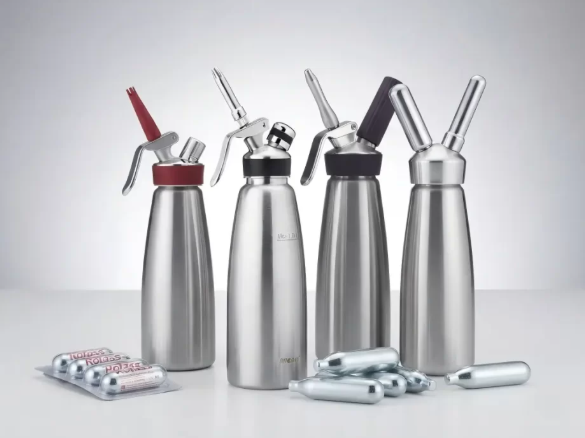
Culinary cream chargers are pressurized containers designed for use with compatible whipped-cream dispensers. They are commonly used to aerate cream for food and beverage applications.
The dispenser and charger work together as a preparation system. The charger provides the gas required for aeration, while the dispenser controls the preparation and dispensing process.
Because these products contain compressed gas, they should always be treated as pressurized culinary equipment. Users should follow the manufacturer’s instructions and use chargers only for their intended food-related applications.
Why Businesses Purchase Larger Quantities
A restaurant or café may use whipped cream regularly throughout the day. Purchasing an appropriate supply can help reduce interruptions in food preparation.
Larger quantities may also make inventory management easier when usage is predictable. Instead of repeatedly checking for individual units, a business can establish an inventory system based on its average consumption.
However, buying more does not automatically mean better inventory management. Businesses should consider actual usage before deciding how much stock is appropriate.
Estimating Kitchen Consumption
The first step is understanding how frequently chargers are used.
A business can review its normal weekly or monthly consumption and identify periods when demand increases. For example, dessert-focused cafés may experience greater demand during weekends, holidays, or promotional periods.
Keeping a simple inventory record can help identify patterns. Staff can note how many chargers are used during normal service and compare that figure with the amount kept in storage.
This information can make future planning more accurate and reduce both shortages and excessive stock.
Checking Equipment Compatibility
Compatibility should always be confirmed before purchasing chargers in larger quantities.
Different dispensers may have specific requirements, so a charger should not be selected simply because it looks similar to another product. The dispenser manufacturer’s specifications should be checked carefully.
This is especially important when a business changes equipment. Before placing a larger order, staff should confirm that the selected chargers are appropriate for the dispensers being used.
Testing compatibility and reviewing instructions before committing to larger inventory can prevent avoidable operational problems.
Choosing Appropriate Quality
Quality is particularly important for commercial food preparation. A kitchen needs products that are appropriate for their intended culinary use and consistent with the equipment being operated.
Businesses should consider the manufacturer’s information, product specifications, packaging condition, and intended application.
For kitchens specifically researching 8g cream charger wholesale the decision should be based on more than quantity. Compatibility, product integrity, storage requirements, and responsible use should all be part of the evaluation.
Storage Considerations
Storage becomes increasingly important when a business keeps a larger quantity of pressurized culinary chargers.
Chargers should be stored according to the manufacturer’s recommendations. They should be protected from excessive heat, direct sunlight, physical damage, and unsuitable environmental conditions.
A designated storage area can make inventory management easier. Staff should know where unused chargers are kept and how they should be handled.
The storage area should also be organized so that older stock can be identified and used appropriately according to the applicable product instructions.
Safe Handling Procedures
Pressurized containers require careful handling. Employees should never puncture, modify, heat, crush, or intentionally damage chargers.
They should also avoid using chargers with equipment that is not designed to accept them. The manufacturer’s instructions should guide every stage of operation.
Commercial kitchens can establish simple procedures for receiving, storing, using, and disposing of chargers. This can help ensure that employees follow consistent safety practices.
Training is particularly useful when several people share the same equipment.
Managing Inventory Efficiently
Inventory management does not have to be complicated. A basic tracking system can be enough for many small and medium-sized businesses.
The inventory record can include:
- Quantity received
- Quantity currently stored
- Average weekly usage
- Expected demand
- Storage location
- Date of inventory checks
These records can help managers recognize when stock levels are changing.
Businesses should avoid storing significantly more product than they can reasonably manage. A controlled inventory is generally easier to inspect, organize, and maintain.
Reducing Waste
Good planning can reduce unnecessary waste. If a business regularly purchases large quantities without reviewing actual consumption, products may remain in storage longer than necessary.
A more practical approach is to monitor usage and adjust future purchasing decisions accordingly.
Staff should also inspect packaging and products before use. Damaged or compromised pressurized containers should not be used and should be handled according to appropriate disposal procedures.
Building a Standard Kitchen Process
A standard operating procedure can make the use of culinary chargers more consistent.
The process may include checking the dispenser, confirming compatibility, preparing the ingredients, following the equipment instructions, cleaning the dispenser, and returning unused chargers to the designated storage area.
This approach is useful because it gives employees a clear routine to follow. It also makes it easier for managers to identify where a problem may have occurred.
Applications in Food and Beverage Businesses
Cream chargers can support a variety of legitimate culinary applications. Whipped cream is commonly used for desserts, pastries, pancakes, waffles, hot beverages, fruit preparations, and plated dishes.
Cafés may use whipped cream as a finishing element for specialty drinks, while bakeries may use it for cakes and desserts.
The exact application depends on the kitchen’s menu and preparation methods. Regardless of the recipe, equipment should be used according to its intended culinary purpose.
What to Consider Before a Larger Purchase
Before purchasing a larger quantity, businesses should review their actual usage, equipment compatibility, storage capacity, product specifications, and staff procedures.
It is also useful to make sure that employees understand how the equipment works. A larger inventory is only beneficial when the products can be stored and handled responsibly.
Taking a few minutes to review these factors can help a business avoid unnecessary complications later.
FAQs
1. What should businesses consider when purchasing cream chargers in larger quantities?
Businesses should consider actual usage, dispenser compatibility, product quality, storage conditions, and safe handling procedures.
2. Why is compatibility important?
A charger must be suitable for the dispenser with which it is being used. Always follow the equipment manufacturer’s specifications.
3. How should larger quantities be stored?
Pressurized culinary chargers should be stored according to manufacturer recommendations and protected from excessive heat, direct sunlight, physical damage, and unsuitable conditions.
See also: Manicure Table Size: Selecting Appropriate Dimensions for Comfortable Professional Service
Conclusion
Managing a larger supply of culinary chargers requires thoughtful planning rather than simply increasing the quantity purchased. Businesses should understand their usage patterns, confirm equipment compatibility, maintain appropriate storage, and establish clear handling procedures.
With organized inventory management and responsible kitchen practices, cafés, bakeries, restaurants, and catering businesses can keep their dessert preparation workflow efficient while maintaining appropriate safety standards.