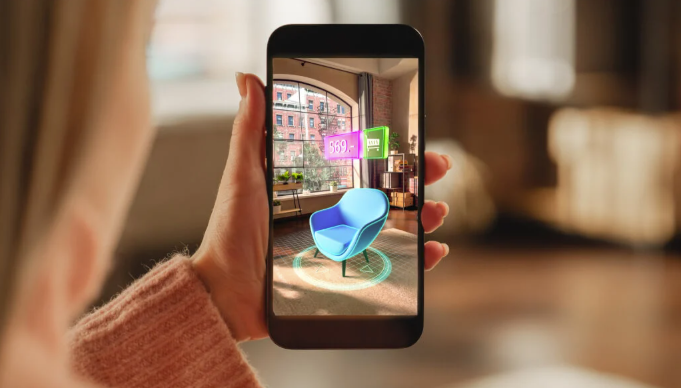
Augmented Reality (AR) integrates digital elements into real-world environments using advanced technologies. Key components include sensors that monitor movement and orientation, alongside computer vision that facilitates image recognition and depth perception. This synergy allows for the precise placement of virtual objects, enhancing user interaction. Understanding how these technologies work together reveals the potential of AR in various applications. The implications of this integration are vast and worth exploring further.
The Core Technologies Behind Augmented Reality
While augmented reality (AR) continues to evolve, its effectiveness hinges on several core technologies that integrate digital information with the real world.
Essential hardware requirements, including sensors and displays, work in tandem with sophisticated software algorithms to create immersive experiences.
These technologies collaborate seamlessly, empowering users to interact with virtual elements, thereby enhancing their perception of reality and offering unprecedented freedom in engagement.
How Does AR Use Computer Vision to Understand Environments?
Augmented reality (AR) employs computer vision to perceive and interpret the surrounding environment, allowing for the seamless integration of digital content into the physical world.
Through image recognition, AR systems identify objects and features in real-time, while depth sensing determines spatial relationships.
This combination enables accurate placement of virtual elements, enhancing user experiences by creating a cohesive interaction between digital and physical spaces.
The Role of Sensors in Creating Immersive Experiences
Sensors play a crucial role in the development of immersive augmented reality experiences. Various sensor types, such as accelerometers, gyroscopes, and depth sensors, enable devices to track movement, orientation, and surroundings.
This data facilitates immersive interaction by accurately blending digital content with the real world. As technology advances, the integration of these sensors enhances user engagement and creates increasingly captivating AR environments.
See also: wolni-turf
Real-World Applications of Augmented Reality Technology
As industries continue to explore innovative technologies, augmented reality (AR) has emerged as a transformative tool across various sectors.
In gaming experiences, AR enhances user engagement by blending digital elements with the physical world.
Meanwhile, in education, AR serves as effective education tools, providing interactive learning environments that promote deeper understanding and retention.
These applications highlight AR’s potential to revolutionize traditional practices.
Conclusion
As augmented reality continues to evolve, its potential to reshape our interactions with the world around us is becoming increasingly apparent. The seamless integration of digital information with real environments offers a tantalizing glimpse into the future. However, as the technology advances, questions arise: What new possibilities will emerge? How will society adapt to these immersive experiences? The journey of AR is just beginning, and the answers may redefine reality itself in ways yet to be imagined.