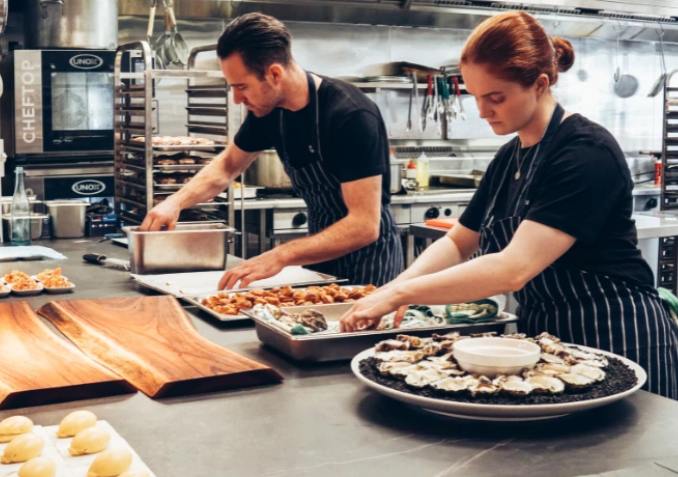
Kitchen efficiency is not only about cooking quickly. It also involves purchasing the right quantities, storing ingredients correctly, organizing work areas, and reducing unnecessary waste.
For restaurants and households that regularly prepare seafood, these principles can make daily cooking much easier. Frozen products can provide useful flexibility, but their benefits are greatest when supported by an organized storage and preparation system.
Start With Accurate Planning
The first step toward better ingredient management is understanding demand.
Restaurants can review sales patterns to determine which seafood products are used most frequently. Home cooks can plan meals for several days before shopping.
This simple habit can reduce unnecessary purchases and make freezer organization easier.
Choose Products According to Need
Different recipes require different seafood varieties and portions.
Buyers should consider the intended dishes before purchasing. This helps prevent products from sitting unused in storage.
For those selecting frozen seafood packaging, storage information, product type, and portion size should all be considered.
Create a Clear Storage System
A storage system should make products easy to identify.
Labels should remain visible, and similar products can be grouped together. Commercial kitchens may also record quantities and relevant dates.
The purpose is simple: staff should be able to determine what is available without wasting time searching through the freezer.
Monitor Temperature Conditions
Frozen foods depend on appropriate temperature management.
Freezers should be checked regularly, and problems should be addressed promptly. Unnecessary door opening should also be minimized.
For commercial kitchens, temperature monitoring can be included in routine food-safety procedures.
Make Thawing Part of the Schedule
Thawing should not be left until the last minute.
If a seafood item is needed for dinner service, staff can plan ahead and move it into an appropriate controlled thawing environment according to their food-safety procedures.
Planning helps avoid rushed preparation and makes kitchen workflow more predictable.
Improve Preparation Stations
A well-organized preparation station saves time.
Frequently used utensils should be easy to access, while raw and ready-to-eat foods should be appropriately separated.
Restaurants can assign specific areas for seafood preparation where practical. This can make cleaning and workflow management easier.
Train Staff Consistently
A kitchen becomes more efficient when everyone follows the same procedures.
Employees should understand storage, thawing, hygiene, preparation, and cleaning requirements.
Training does not need to be complicated. Clear written instructions and short demonstrations can establish consistent habits.
Track Food Waste
Waste is useful information.
If a restaurant repeatedly throws away the same seafood product, managers can investigate why. Perhaps the order quantity is too high, the menu item is unpopular, or portions are larger than necessary.
Households can use a similar approach by noting which ingredients frequently go unused.
Standardize Portions
Portion control helps maintain consistency and manage costs.
Restaurants can establish standard weights or serving sizes for menu items. This makes purchasing and inventory forecasting more accurate.
At home, portioning products before freezing or thawing can also make meal preparation easier.
Review the System Regularly
Kitchen management should not remain static.
Businesses can review purchasing patterns, waste levels, menu performance, and storage requirements regularly.
Small changes can create meaningful improvements over time.
FAQs
1. How can kitchens become more efficient?
Better planning, organized storage, standardized portions, staff training, and waste tracking can improve efficiency.
2. Why is inventory management important?
It helps kitchens understand what they have available, avoid unnecessary purchases, and reduce food waste.
3. How can seafood preparation be made easier?
Planning thawing in advance, organizing preparation areas, and using consistent procedures can make the process more predictable.
Conclusion
Efficient ingredient management combines planning, organization, food safety, and practical kitchen routines. Seafood can be managed successfully when products are selected according to demand, stored properly, thawed responsibly, and incorporated into standardized workflows.
Whether the setting is a busy restaurant or a family kitchen, better organization can save time, reduce waste, and make everyday food preparation more manageable.